
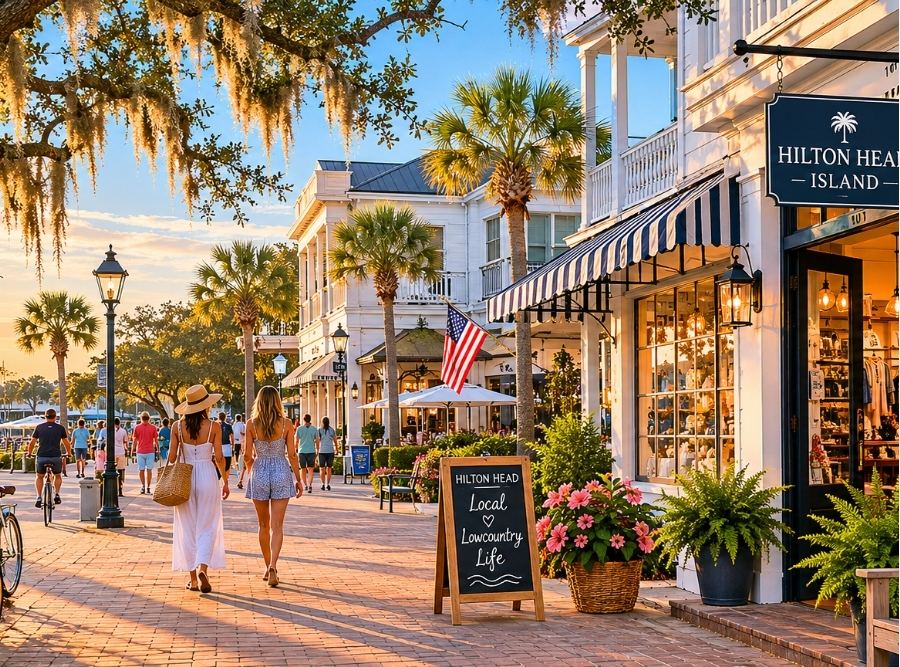
Running a small business on Hilton Head requires more than simply opening a storefront in a popular tourist destination. Business owners here have to navigate seasonal tourism, rising operational costs, staffing challenges, and a relationship-driven local culture where reputation matters deeply. The businesses that succeed long term are usually the ones that understand the rhythm of the island, invest in their community, and adapt to the unique realities of Lowcountry life.
Hilton Head Is More Than a Tourist Destination
People who move to Hilton Head with plans to start a business often arrive with a certain picture in mind. They see the beaches, golf courses, bike trails, resorts, and packed summer crowds and assume success naturally follows the island’s popularity. On paper, it makes sense. Hilton Head attracts millions of visitors each year, and tourism contributes billions of dollars to the local economy.
But what makes Hilton Head attractive also makes it uniquely demanding for small business owners.
This is not a market where businesses can rely entirely on convenience or impulse traffic. Hilton Head has a deeply established identity shaped by hospitality, conservation, local relationships, and a slower, more intentional lifestyle. Visitors return year after year because the island feels different from other coastal destinations. Residents stay because they value that atmosphere. Businesses that thrive here tend to understand that they are becoming part of the island experience itself, not simply operating alongside it.
That changes how customers interact with local companies. Service expectations are higher. Reputation spreads quickly. Word-of-mouth matters. People remember businesses that feel authentic to Hilton Head, and they also remember the ones that feel disconnected from the community around them.
For many owners, one of the first lessons they learn is that Hilton Head rewards consistency more than hype.
Seasonality Impacts Nearly Every Industry on the Island
Even businesses outside traditional tourism sectors feel the effects of Hilton Head’s seasonal economy. Summer months can bring a dramatic increase in traffic, revenue, and operational pressure almost overnight. Restaurants face packed dining rooms. Retail shops deal with fluctuating inventory demand. Service-based businesses often see calendars fill weeks in advance. Hospitality companies operate at full speed for extended stretches of time.
Then the pace changes.
The off-season is quieter, but it is not necessarily easier. Business owners have to think carefully about staffing levels, cash flow, marketing, and customer retention during slower months. Many companies discover that surviving the seasonal swings requires far more planning than outsiders expect.
That balancing act is one of the defining realities of running a business on Hilton Head. A strong summer alone does not guarantee long-term success. Businesses that last are usually the ones that know how to maintain visibility and stability even when tourism slows down.
Local relationships become especially important during those periods. While visitors fuel much of the island economy, year-round residents often provide the consistency businesses depend on during quieter months. Companies that build trust within the local community tend to create a more sustainable foundation over time.
Hiring Employees on Hilton Head Has Become Increasingly Difficult
One of the biggest challenges facing local business owners right now is staffing. Hilton Head’s popularity has created opportunities, but it has also intensified competition for reliable workers across hospitality, retail, construction, healthcare, and service industries.
Housing costs, seasonal employment fluctuations, and workforce shortages have made employee retention far more complicated than it was years ago. Many businesses are competing for the same pool of workers while trying to maintain the level of service customers expect from a destination known for hospitality and luxury experiences.
That has forced many employers to rethink how they attract and keep employees.
Offering competitive pay still matters, but business owners across the Lowcountry are increasingly realizing that compensation alone is not enough. Employees are paying closer attention to workplace culture, flexibility, long-term stability, and healthcare benefits when deciding where to work. Businesses that create stronger support systems for employees often have a much easier time building reliable long-term teams.
Some local employers have started working with companies like JS Benefits Group to improve employee retention through stronger healthcare and benefits strategies. For growing businesses on Hilton Head, offering competitive employee benefits can help create stability in a labor market where dependable workers have more choices than ever before.
That staffing reality reflects a broader truth about owning a business here: success on Hilton Head usually requires long-term thinking rather than short-term survival tactics.
The Most Successful Businesses Understand the Local Culture
Hilton Head has always been shaped by a different kind of development philosophy than many other coastal destinations. The island became known for preserving natural landscapes, protecting tree cover, and embracing a more environmentally conscious style of growth long before sustainability became a national trend.
That mindset still influences the local business environment today.
People who live on Hilton Head often value businesses that feel connected to the community rather than overly corporate or transactional. Customers appreciate professionalism, but they also appreciate authenticity. Owners who become involved locally, support community events, build relationships, and consistently show up tend to develop stronger reputations over time.
This is especially noticeable in industries tied closely to lifestyle and hospitality. Visitors are not simply paying for a meal, a service, or a product. They are often paying for an experience connected to the atmosphere of the island itself. That creates pressure for businesses to maintain a certain standard, but it also creates opportunity for companies that genuinely understand what people love about Hilton Head in the first place.
The businesses that struggle are often the ones that try to force a fast-paced mainland business model onto an island that operates differently.
Small Business Ownership Here Requires Adaptability
No matter the industry, adaptability is one of the most important qualities a Hilton Head business owner can have. Coastal weather risks, changing tourism patterns, economic shifts, labor shortages, and rising operational expenses all require flexibility. Even successful businesses constantly adjust their strategies throughout the year.
That adaptability is one reason the local business community tends to be closely connected. Organizations throughout the Lowcountry continue emphasizing the importance of supporting entrepreneurs, local networking, and small business development because small businesses remain a major part of the region’s identity and economy.
At the same time, there is also a lifestyle component to entrepreneurship on Hilton Head that makes the challenges worthwhile for many owners.
People do not usually move here chasing the pace of a major city. They come for the balance between opportunity and quality of life. That perspective shapes the way many businesses operate. Relationships matter more. Community involvement matters more. Long-term trust matters more.
Running a small business on Hilton Head is rarely simple, but for owners who understand the island’s culture and are willing to adapt to its rhythms, it can become an incredibly rewarding place to build something lasting.