
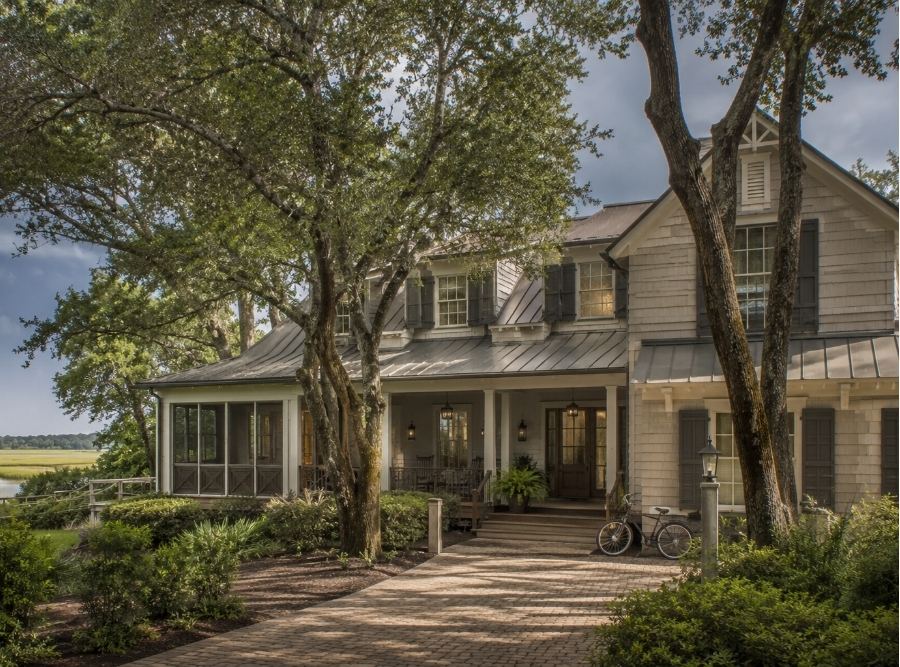
Many second-home owners on Hilton Head overlook air sealing and spray foam insulation upgrades, especially in older vacation homes in Sea Pines, Palmetto Dunes, and Shipyard. These upgrades help reduce humid air infiltration, improve energy efficiency, and better protect coastal homes from moisture buildup during Hilton Head’s long summer and hurricane season.
Owning a second home on Hilton Head Island comes with a certain rhythm. Long weekends near the beach, bike rides beneath live oaks, afternoons in Palmetto Dunes, and evenings overlooking the marsh are exactly why so many families continue investing in Lowcountry vacation properties decade after decade.
But many of those homes particularly older villas and vacation houses in Sea Pines, Shipyard, and other established communities were built during a very different era of coastal construction. Kitchens may have been renovated, flooring replaced, and outdoor spaces updated over the years, yet one of the most important parts of the home often remains untouched: the insulation and air sealing hidden above the ceilings, behind the walls, and underneath the floors.
Vacation homes age differently than primary residences. Problems often develop quietly because nobody is there long enough to notice them in real time.
That reality matters more on Hilton Head than many homeowners realize. Coastal air carries constant moisture, and homes that sit empty between visits experience long stretches of uninterrupted heat and humidity exposure. Over time, that combination can affect comfort, indoor air quality, energy efficiency, and even how the home feels the moment someone walks through the front door after weeks away.
Hilton Head’s Older Vacation Homes Were Built for a Different Climate Conversation
Many of Hilton Head’s best-known communities were developed decades ago, especially throughout Sea Pines and the island’s earliest resort neighborhoods. At the time, builders focused heavily on aesthetics, natural airflow, and preserving the island’s connection to the surrounding landscape.
That design philosophy helped create some of the island’s most recognizable homes, but many of those properties were built before modern insulation standards and advanced air-sealing practices became common. Energy efficiency simply was not discussed the way it is today.
As a result, many older vacation homes now struggle with issues that become especially noticeable in coastal South Carolina:
- uneven indoor temperatures,
- excessive indoor moisture,
- hot upstairs rooms,
- musty odors,
- and HVAC systems that seem to run constantly during the summer.
For second-home owners, these problems can be harder to detect because the property may remain vacant for weeks at a time. A home can slowly accumulate humid air and moisture exposure without obvious warning signs until owners eventually notice persistent odors, rising cooling costs, or spaces that never seem to feel fully comfortable.
The Real Issue Often Isn’t Heat — It’s Coastal Moisture
One of the biggest misconceptions among vacation homeowners is that if the air conditioning is running, the house is automatically protected from humidity. In reality, cooling a home and controlling moisture are not exactly the same thing.
On Hilton Head Island, warm marine air constantly carries moisture through the environment. Afternoon storms, marsh exposure, lagoon systems, and salt-heavy coastal air create conditions where humid air continuously pushes into attics, crawl spaces, duct penetrations, recessed lighting openings, and small framing gaps throughout older homes.
The issue is not usually dramatic water intrusion. More often, it is a slow cycle of damp coastal air entering the structure day after day while the property sits mostly empty.
Owners sometimes notice the symptoms gradually:
- rooms feeling muggy despite air conditioning,
- lingering musty smells after arriving at the property,
- uneven cooling between floors,
- or energy bills that seem unusually high for a home that sits vacant much of the year.
In Hilton Head communities with older vacation housing stock, neglected air sealing is far more common than many homeowners realize.
Why Air Sealing Has Become a Bigger Conversation
In recent years, contractors and homeowners have started focusing less on insulation alone and more on the overall “building envelope” essentially how well the home controls airflow, temperature, and moisture as a complete system.
That shift is especially important in coastal climates because humid air behaves differently than dry heat. In many Hilton Head homes, uncontrolled airflow becomes just as important as insulation performance itself.
Spray foam insulation has become part of that conversation because it helps create both insulation and an air seal at the same time. Rather than simply slowing heat transfer, spray foam expands into gaps and cracks where outside air would normally enter the structure.
For second-home owners, that can be especially valuable because vacation properties often remain closed for extended periods while HVAC systems continue running to manage indoor conditions. Reducing uncontrolled air infiltration can help homes maintain more stable indoor comfort while placing less strain on cooling systems during the hottest months of the year.
Contractors who work regularly throughout Hilton Head’s older vacation-home communities say many homeowners first begin exploring spray foam upgrades after noticing persistent humidity issues or uneven cooling during summer months. Local companies such as Island Spray Foam have seen growing interest in these upgrades throughout older island properties, particularly in homes where original insulation systems were never designed for today’s energy expectations or year-round climate demands.
Vacation Rentals Experience a Different Kind of Wear
Primary residences benefit from constant attention. People adjust thermostats, notice odors quickly, open doors regularly, and catch problems early.
Vacation homes operate differently.
A property sitting empty for several weeks during a humid South Carolina summer experiences long periods of uninterrupted heat and moisture exposure with very little oversight. In rental properties, HVAC systems may run continuously between guest stays simply trying to maintain comfort during peak summer weather.
On Hilton Head, guest comfort is part of the property’s reputation. Uneven temperatures, stale indoor air, or lingering moisture smells may not seem serious at first, but they can influence how renters experience a home during the busiest vacation months of the year.
That is one reason more second-home owners are beginning to view insulation and air sealing upgrades not just as energy-efficiency projects, but as part of long-term property maintenance and guest experience management.
The Most Important Upgrades Are Often the Ones Nobody Sees
Unlike kitchen remodels or outdoor living spaces, insulation upgrades are mostly invisible. Homeowners rarely walk into a house and immediately think about attic air leakage or crawl space moisture.
But hidden upgrades often have the biggest impact on how a home performs day to day.
Many second-home owners naturally prioritize cosmetic improvements first because those upgrades are easy to enjoy immediately. Meanwhile, hidden issues like air leakage, attic heat buildup, and moisture-heavy coastal air continue affecting the home quietly in the background.
In Hilton Head’s climate, those conditions rarely improve on their own.
A Smarter Long-Term Upgrade for Coastal Living
For many Hilton Head homeowners, the conversation around spray foam and air sealing is ultimately less about trends and more about practicality. The goal is not to create a “perfect” home. It is to create a home that handles coastal living more comfortably and more efficiently over time.
That can mean:
- more stable indoor temperatures,
- less strain on HVAC systems,
- quieter interiors,
- improved moisture management,
- and fewer comfort complaints from guests and visiting family members.
For second-home owners who spend part of the year away from the island, peace of mind often matters just as much as energy savings.
Hilton Head’s older vacation homes were built with timeless Lowcountry character and architectural charm. But many were not built for today’s expectations around humidity control and energy efficiency. As more homeowners continue updating properties throughout Sea Pines, Palmetto Dunes, and Shipyard, insulation and air sealing are quietly becoming one of the island’s most overlooked and increasingly valuable — long-term upgrades.
In a place where homes are expected to handle salt air, long humid summers, and months of vacancy between visits, the smartest upgrades are often the ones nobody notices right away until the house simply feels better every time the front door opens.